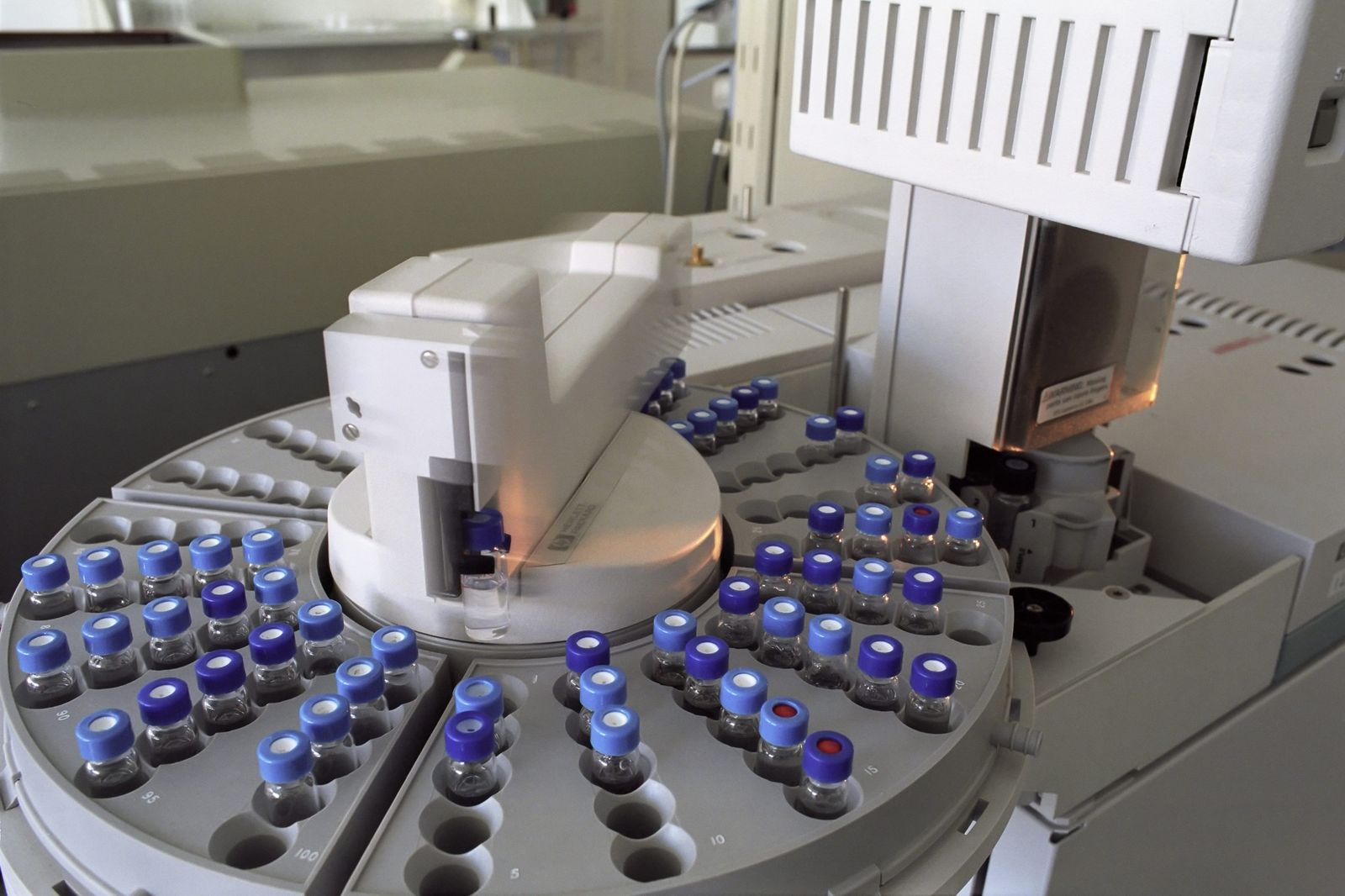
Medical device and life science translation.
Clear terminology. Traceable review.
IFU, 510(k) material, CE/MDR technical files, SOPs and clinical protocols — translated against the governing standard, with a documented and traceable process.
Connected files, from IFU to clinical records
Tell us what the documents are for, which source revision to use and who will read the translation.
Device information
IFU (Instructions For Use), labelling and packaging.
Submission and risk files
510(k) material, CE/MDR technical files and risk management files.
Clinical and quality records
Clinical protocols, SOPs and CAPA documentation.
Document set alignment
| Reference | Source | Translation |
|---|---|---|
| Device name | Approved name | Same reference |
| Section numbering | Source structure | Matched |
| Revision | Confirmed version | Linked record |
Warnings, section hierarchy and approved terminology remain easy to cross-check.
Different files. Clear project scope.
Published projects across medical devices, hospitals, pharmaceuticals and vaccine development. Each case identifies the actual file scope and language direction.
 Walvax Biotechnology
Quality manuals, SOPs, production-process and clinical-trial documentation.
Chinese → EnglishRead project details → NIPRO Medical (Hefei)
Medical-device registration files and technical specifications, in volume.
Chinese → EnglishRead project details → Jiahui International Hospital
Medical records and clinical documentation for international patients.
English ⇄ ChineseRead project details →Jiangsu Xinlikang Medical
Technical documentation for imported medical devices.
German → Chinese / EnglishRead project details → Shanghai Green Valley Pharmaceuticals
Drug-development agreements and clinical-trial documentation.
English → ChineseRead project details → Synaptic Medical (Beijing)
Multilingual technical files for cardiac-intervention devices.
MultilingualRead project details →Why this is harder than it looks
The submitted wording is itself under review
In a regulatory submission the text is not a wrapper around the evidence — it is part of the evidence. Reviewers read what you filed. An ambiguous rendering of an indication, a contraindication or a performance claim becomes a question to answer, and questions cost review cycles.
Terms have to match the standard, not just be accurate
Regulated terminology is defined by the governing standard and by your own device labelling. A defensible synonym is still the wrong word if the standard and your label use another. Consistency with the source document set matters as much as linguistic quality.
Untraceable output is a compliance problem
A quality system requires a documented process with accountable steps. Text of unclear provenance — including unreviewed machine output — is difficult to defend during an audit, regardless of whether it happens to be correct.
What governs the work
EU MDR 2017/745
Member states determine the language(s) required for IFU and labelling in their market. Requirements are per-market, not EU-wide.
FDA submissions
Filed in English. Where source documentation, clinical data or QMS records were authored in another language, accurate English rendering is required.
ISO 13485 / ISO 9001:2015
A documented, auditable translation process with defined review steps.
How a life science project runs
Prepare the project
- Client UploadFiles, reference material and any existing termbase
Translate and verify
- AI TranslationDraft generation on a domain-tuned engine
- Terminology MappingTerms locked against the project termbase
- Expert ReviewDomain specialist validates accuracy and context
- QALISA QA 3.1 audit against defined error categories
Deliver and retain
- DeliveryFormat restored, delivered in the original layout
- Knowledge Asset UpdateTerminology fed back — every project improves the next
Selected work
US market entry for an IVD diagnostics firm
Challenge An in-vitro diagnostics company entering the US market needed its full FDA registration documentation translated to a standard that would withstand regulatory review.
Solution Expert-led translation by reviewers with biomedical background, following a documented and traceable process, accompanied by a written quality-assurance letter.
- No language-related deficiency in the first review round
- Written quality-assurance letter provided
- Clinical-background reviewers throughout
Bring the files. Make the open questions visible.
Medical device documentation for China
Start with the intended use, the document list and source revisions. Record approved Chinese product names and terminology, and list unresolved translation questions separately.
Use the China document preparation tool above to organize this information. For market-specific research, see medical device regulatory research for China →. Research and translation scopes are agreed separately; a document register does not establish regulatory compliance or approval. It is not an FDA or MDR submission template.
For a quote, include the source files, language direction, intended use and required date. Discuss your project →
Life Science terminology
Selected bilingual references. The full terminology glossary remains available below.
“Documentation submitted to Europe for review is held to a very high standard. Angel recommended using English as the source language and having native-speaker translators handle it — the result met our expectations, and they were willing to take our experts’ feedback and revise patiently.”
Life Science questions
Send us a life science document
Acknowledged in 4 hours, quoted in 24. Discuss confidentiality before sharing sensitive files.